

Build an identity around something you can actually do
Decide who you want to be, then give that person something to do tonight. Here is how to turn a self-description into a specific, repeatable action — and what the research on …
Read articleSmall, repeatable routines that fit a busy week and keep quietly building over time.
Decide who you want to be, then give that person something to do tonight. Here is how to turn a self-description into a specific, repeatable action — and what the research on …
Read article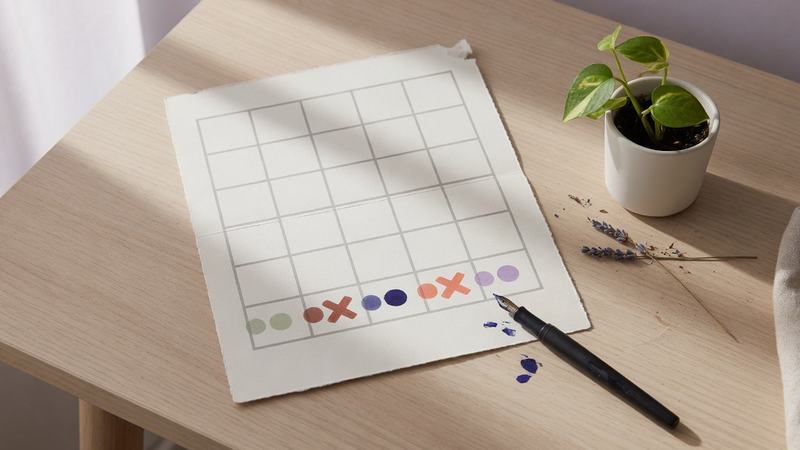
A simple record answers the question memory cannot: what did you actually do this week? Here is how to pick what earns a mark, keep the log where you will use it, …
Read article
Missing a day is a scheduling question, not a verdict on your character. Here is a simple, practical way to name the obstacle, pick the next workable opportunity, and get straight back …
Read article
Pick one finishable result before the day's messages start, and you always know what the day was for. A practical way to name the result, protect a block for it, and handle …
Read article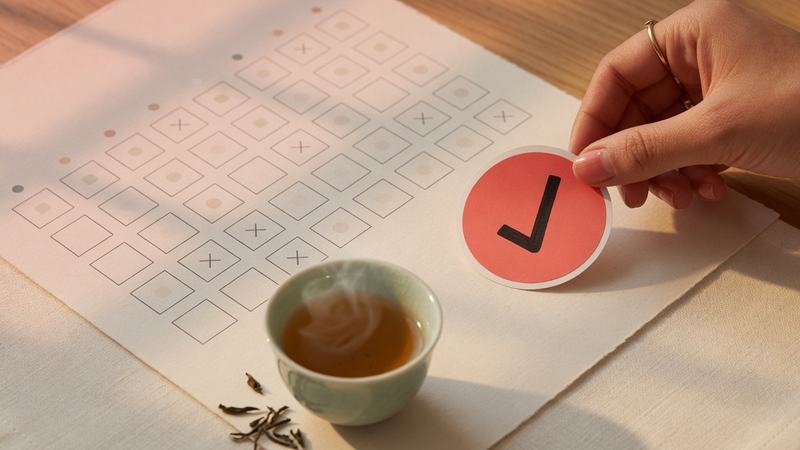
Distant payoffs explain why you start a habit; today's experience is what brings you back. Here is how to make the next session better — one small adjustment at a time, a …
Read article
Temptation bundling puts something you genuinely enjoy inside an activity whose payoff arrives later — an audiobook reserved for the gym, a favorite program only on the bike. Here is what the …
Read article
A few minutes of setup at a quiet moment can make a busy day easier. Find the one step that usually slows you down and have it ready before you need it.
Read article
A habit reminder works best when it reaches you at the moment you can act. Pair a visible cue with an existing routine, give it one clear instruction, and keep a setup …
Read article
An if-then plan names the exact moment you will act and what you will do. Meta-analyses spanning hundreds of tests link this simple technique to better goal attainment. Here is how to …
Read article
Habit stacking links a new action to a routine you already do. Research on repetition and stable contexts shows why a steady cue helps a habit run on its own. Here is …
Read article
A habit minimum keeps the real activity alive on crowded days. Learn how to choose a small version you can repeat, why repetition in a steady setting builds automaticity, and how to …
Read article