
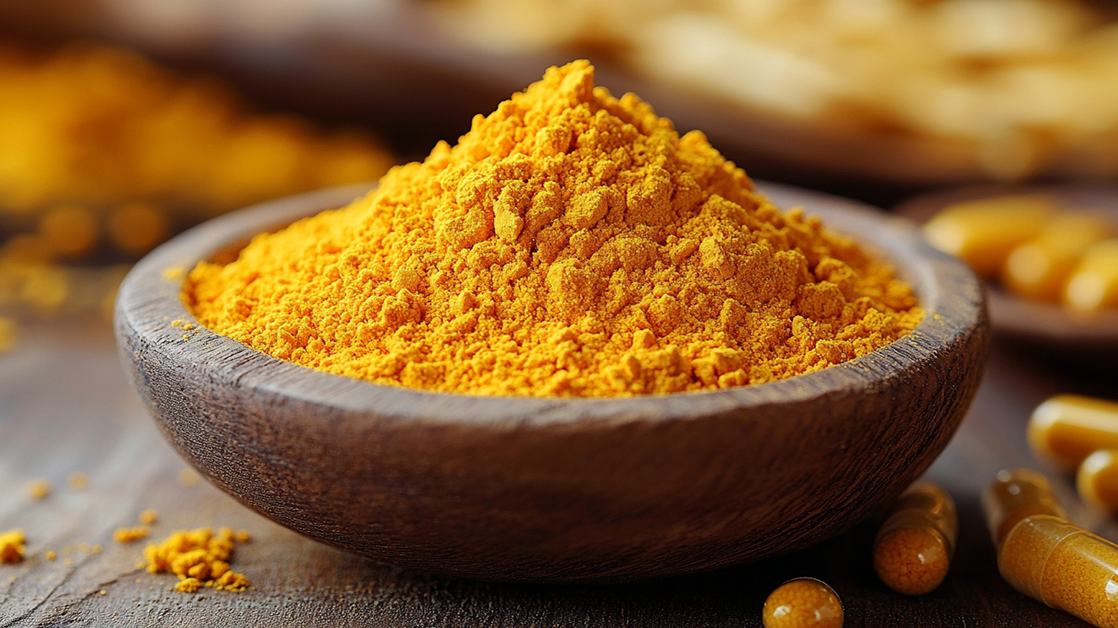
After I added berberine to my routine, my Lingo sensor showed lower readings after meals, during the same weeks I was changing what I ate. Those numbers sparked my interest in the human research on berberine and glucose control, which turned out to be substantial.
Dr. Jin W. Sung presents seven benefits he attributes to berberine, which he calls a metabolic master switch. He discusses insulin resistance, hypertension, cholesterol, yeast and candida, PCOS, SIBO, and weight loss, citing studies including one he says compared berberine with rifaximin.
Consider subscribing to Dr. Jin W. Sung.
The readings I recorded
Before taking berberine, my post-meal readings were around 180–200 mg/dL. When I took it about an hour before eating, I recorded peaks around 130–140 mg/dL. I also lost 10 pounds over two weeks while watching what I ate.
What the studies found
Berberine is a compound found in plants including barberry and goldenseal, and it has been studied widely in people with type 2 diabetes.
- Glucose and blood lipids: In a 2021 systematic review, Guo and colleagues pooled 46 randomized trials, mostly in Chinese patients, with type 2 diabetes. Berberine improved glucose measures and blood lipids, whether used alone or alongside diabetes treatment. [2]
- Weight and BMI: NCCIH reports that a 2022 review found significant decreases in weight and BMI, with weight effects seen mainly at doses above 1 gram a day taken for more than eight weeks. [1]
Making a useful record
If you track your own numbers, a meal log alongside the sensor graph gives them far more meaning. Note these details together:
- the food and portion
- the time you ate
- any activity before or after
- supplement name, amount and timing
A CGM measures glucose in the fluid around your cells rather than from a blood sample, so a consistent log helps you spot your own patterns.
Before using it
Berberine can cause digestive upset and may interact with medicines; if you take any, check with a clinician. Avoid it during pregnancy and breastfeeding, and never give it to infants. [1]