
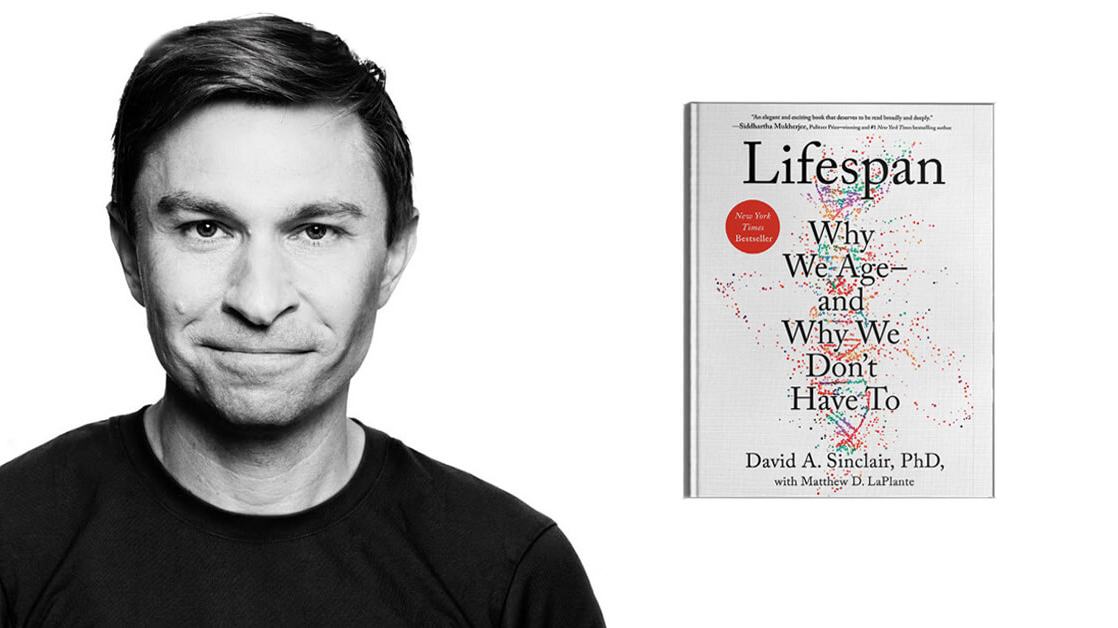
A carefully designed human trial found that NMN improved muscle insulin sensitivity in postmenopausal women with prediabetes who were overweight or obese. It is an exciting, concrete result for anyone following the science in David Sinclair’s Lifespan: Why We Age and Why We Don’t Have To, the book that inspired this September 2022 note. [1]
In this TEDxBoston talk, David Sinclair presents what he calls the information theory of aging, arguing that changes to the epigenome, which tells cells which genes to switch on, drive aging. He then describes experiments in mice, including NMN given to old mice and cellular reprogramming with three Yamanaka genes.
Consider subscribing to TEDx Talks.
What the trial found
Yoshino and colleagues published the study in Science in 2021. It was a 10-week randomized, double-blind, placebo-controlled trial, a strong design for testing whether a treatment makes a difference. After NMN supplementation, the researchers reported: [1]
- Higher insulin-stimulated glucose disposal, measured with the hyperinsulinemic-euglycemic clamp, a gold-standard test of insulin sensitivity.
- Stronger insulin signaling in skeletal muscle.
- Increased expression of genes related to muscle remodeling.
These gains appeared with NMN compared with placebo. Insulin sensitivity describes how well tissue responds to insulin, the hormone that helps regulate glucose, so an improvement is a meaningful metabolic result for people with prediabetes. [1]
Why NMN attracts attention
NMN is a precursor of NAD, a molecule central to energy metabolism, and its availability is a rate-limiting step in how the body makes NAD. [1] Researchers are exploring how NAD-related processes change with age and whether supporting them can improve health. Sirtuins, another major theme in Sinclair’s book, are proteins involved in cellular regulation.
The book brings these questions to a general audience, and the video above introduces its ideas about aging, cellular maintenance, repair and fasting. If you treat diabetes, keep any fasting aligned with your treatment plan. The trial gives you a practical way to follow the field: look at who was studied, what treatment was tested and which result was measured.
Following the research
NMN research offers a promising window into how metabolism and aging connect, with more human studies to watch.